A painting can completely transform the atmosphere of a room. The right artwork adds personality, colour, warmth, and character to your space while reflecting your individual taste. But with so many styles, colours, subjects, and sizes available, choosing the perfect painting for your home can sometimes feel difficult.
The good news is that you do not need to be an art expert. By considering your space, interior style, colour palette, and personal preferences, you can find artwork that feels naturally connected to your home.
1. Start With the Room
Before selecting a painting, think about where you want to display it. Artwork that looks beautiful in a living room may not create the same effect in a bedroom, dining area, hallway, or workspace.
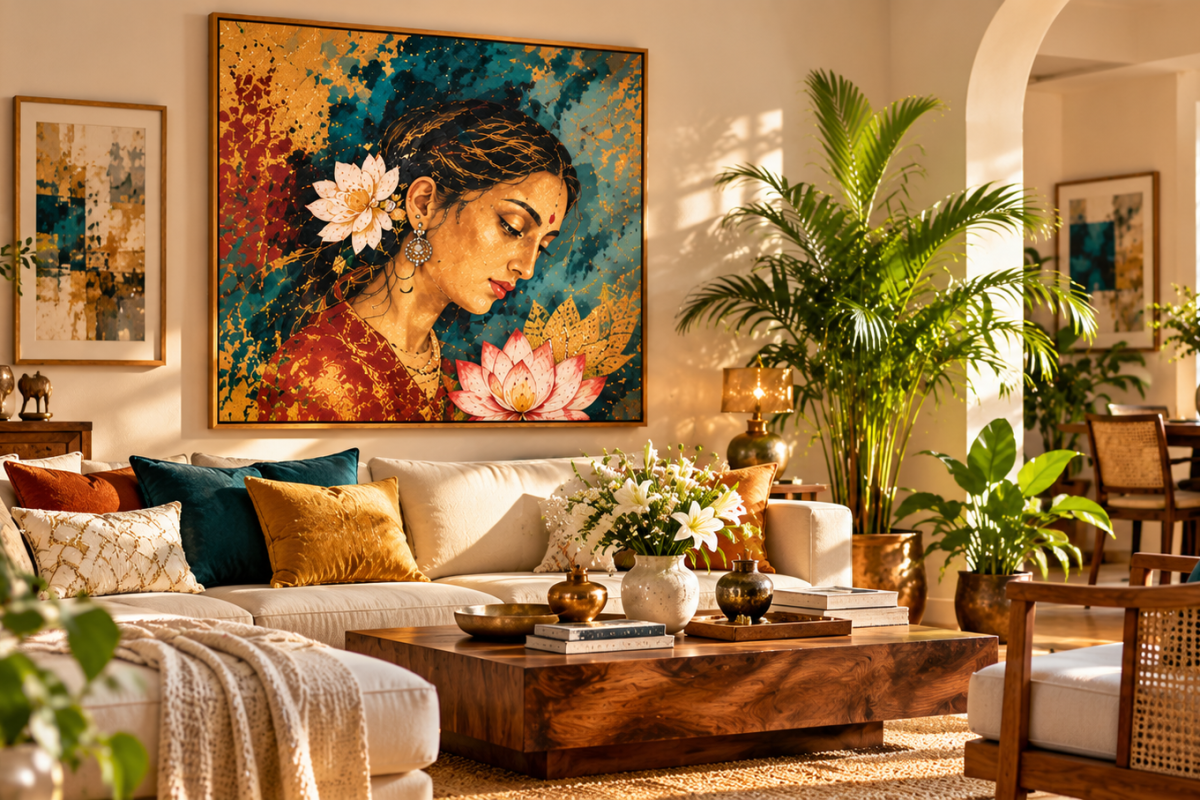
For a living room, you can choose a larger statement artwork that becomes the visual focus of the space.
For a bedroom, consider artwork with calming colours, softer compositions, or subjects that create a peaceful atmosphere.
For a dining room, expressive and colourful artwork can make the space feel more welcoming and lively.
For an office or study, artwork that feels inspiring, sophisticated, or thought-provoking can complement the environment beautifully.
Understanding the purpose and mood of the room makes choosing artwork much easier.
2. Choose the Right Size
Size is one of the most important considerations when buying a painting.
A very small artwork on a large empty wall can feel lost, while an oversized painting in a compact space may overpower the room.
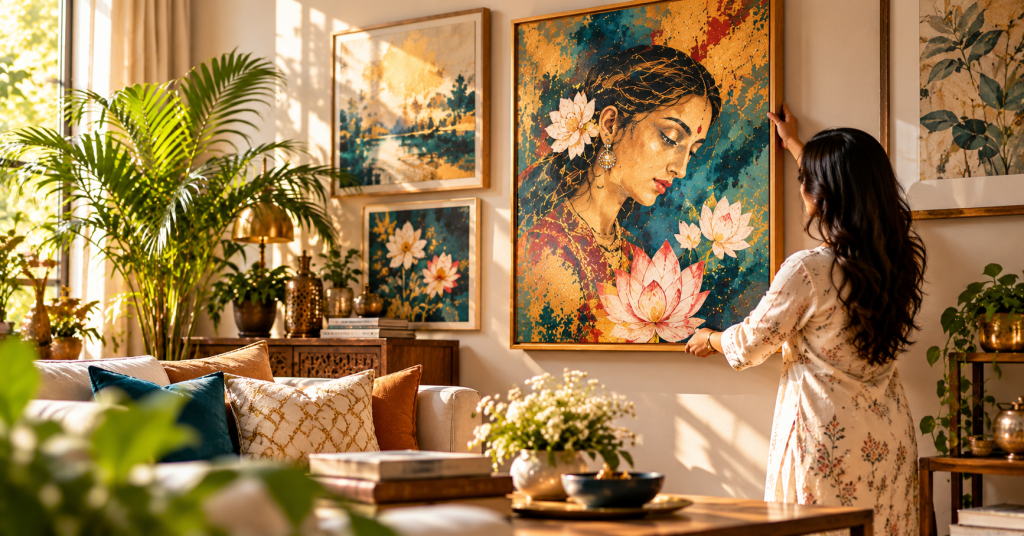
If you are placing artwork above a sofa, console table, bed, or other furniture, choose a size that feels visually balanced with the furniture below it.
For large walls, you can consider:
- One large statement painting
- Two or three coordinated artworks
- A thoughtfully arranged gallery wall
Before purchasing, measure the available wall space and visualise how much area you want the artwork to occupy.
3. Consider Your Interior Colour Palette
Your painting does not need to match every colour in your room. In fact, artwork can introduce new colours and make an interior more interesting.
Look at the dominant colours already present in your space, including your walls, furniture, curtains, cushions, rugs, and decorative pieces.
You can then choose artwork that either complements the existing palette for a harmonious appearance or introduces contrasting colours to create a stronger visual statement.
For example, a neutral interior can become much more expressive with artwork featuring rich greens, blues, reds, golds, or earthy tones.
4. Find an Art Style You Connect With
Your home should reflect your personality, and your artwork should do the same.
Some people prefer detailed figurative paintings, while others are drawn to abstract compositions, landscapes, nature-inspired artwork, traditional themes, or contemporary pieces.
Rather than choosing something simply because it is trending, select artwork that genuinely catches your attention.
You may find yourself drawn to:
- Abstract art
- Figurative paintings
- Nature-inspired artwork
- Landscapes
- Portraits
- Contemporary Indian art
- Traditional and cultural artwork
- Minimalist compositions
- Drawings and mixed-media works
The best artwork is often something you continue enjoying every time you see it.
5. Think About the Mood You Want to Create
Art influences how a room feels.
Soft colours, botanical subjects, landscapes, and peaceful compositions can create a relaxing atmosphere. Bold colours and expressive forms can bring energy and personality to a room.
Before choosing your painting, ask yourself:
How do I want this room to feel?
Your answer can help guide your selection.
For example, a bedroom may benefit from peaceful artwork, while a living room may be the perfect place for something bold and expressive.
6. Create a Focal Point
A beautiful painting can become the focal point of an entire room.
If you have a large blank wall, placing a distinctive artwork there can immediately attract attention and give the room a stronger identity.
Statement paintings work especially well:
- Above a sofa
- Behind a dining table
- Above a console
- In an entrance area
- On a prominent living-room wall
Once the artwork becomes the focal point, other decorative elements can be arranged around it.
7. Pay Attention to Orientation
The shape of your available wall space can help determine whether you should choose a portrait, landscape, or square artwork.
Portrait paintings work beautifully on narrow walls, between windows, beside furniture, or in vertical spaces.
Landscape paintings are ideal above sofas, beds, dining tables, and wide furniture.
Square artwork can work particularly well in balanced, modern spaces and smaller feature walls.
Matching the artwork’s orientation with the available wall space creates a more natural composition.
8. Consider Lighting
Lighting can significantly affect how a painting appears.
Natural daylight can highlight colours and details, while carefully positioned indoor lighting can make artwork stand out beautifully during the evening.
Avoid placing valuable original artwork in areas where it will receive prolonged direct sunlight, as excessive exposure may affect some materials and pigments over time.
Dedicated picture lights or subtle spotlights can also help create an elegant gallery-like presentation.
9. Don’t Forget the Frame
A frame can influence the overall appearance of an artwork.
Depending on the painting and your interior, you might choose a natural wood, black, white, metallic, traditional, or minimalist frame.
Some contemporary paintings also look beautiful without a conventional frame.
The goal should be to complement the artwork rather than distract attention from it.
10. Choose Art That Means Something to You
Interior design rules can be useful, but personal connection matters more.
A painting might remind you of a place, culture, memory, emotion, or idea. Another artwork may simply capture your attention every time you look at it.
You do not always need a complicated reason for choosing art.
If an artwork makes you stop, look again, and imagine it becoming part of your home, it may be worth considering.
Original Art Can Make Your Space More Personal
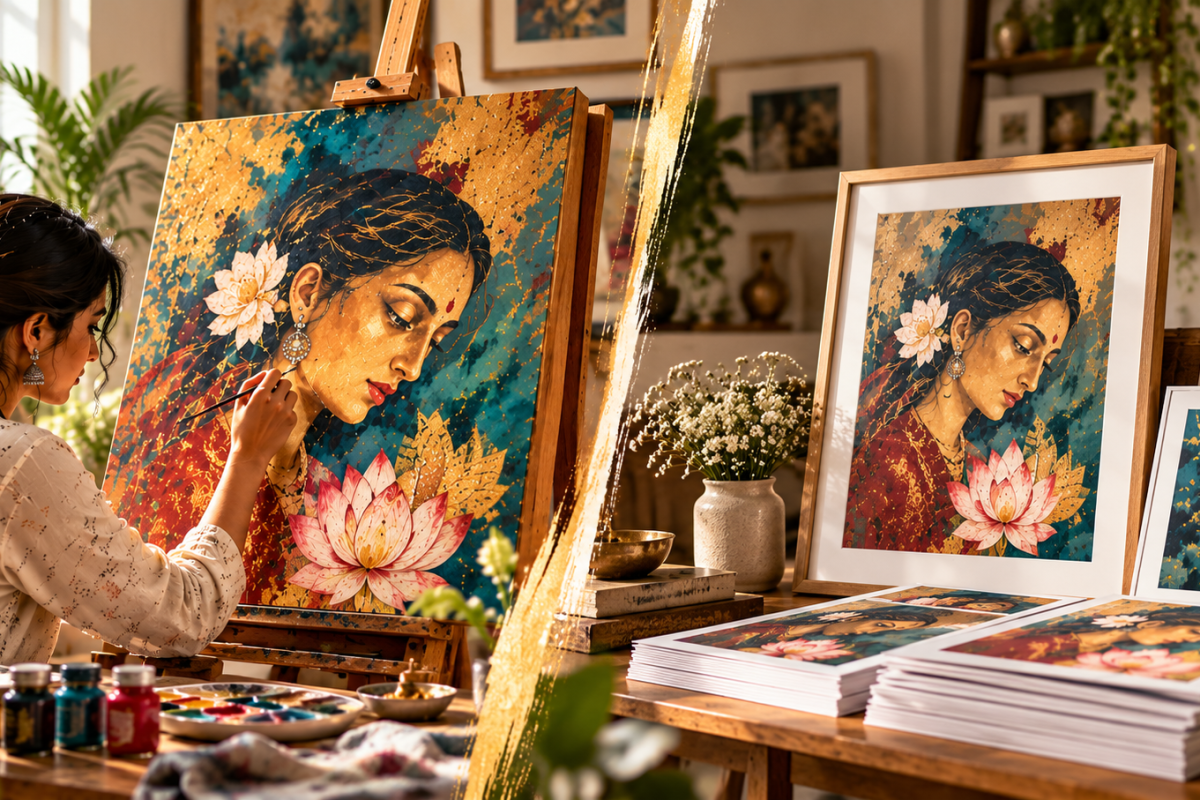
Original artwork brings something distinctive into your home. Small variations in texture, brushwork, materials, and the artist’s creative process give an original piece an individual character.
Rather than treating artwork as simply another decorative accessory, consider it something that can become part of your home’s identity.
A thoughtfully selected painting can remain with you even as furniture, colours, and interior trends change around it.
Final Thoughts
Choosing the perfect painting for your home is about finding the right balance between space, size, colour, style, mood, and personal connection.
Measure your wall, understand your interior, explore different artistic styles, and most importantly, choose something you genuinely enjoy.
The right painting doesn’t simply fill an empty wall—it can give the entire room a new personality.